

Article contents
Tap any item to jump directly to the section you need.
Dental implants are widely recognised as one of the most effective solutions for replacing missing teeth. However, one of the most common questions patients ask is: “How much does a dental implant cost?”
The answer varies from one patient to another. Implant treatment costs depend on several factors, including the implant system selected, bone condition, restorative requirements and the complexity of treatment.
Factors Affecting Dental Implant Costs
Implant System
The implant brand and manufacturing standards play an important role in determining treatment costs.
Different implant systems are developed with varying levels of scientific research, clinical documentation and quality-control processes. Premium implant systems often involve extensive long-term research and rigorous manufacturing standards.
The overall treatment cost may also include restorative components such as abutments and final crowns.
Bone Condition
Adequate bone volume and quality are essential for successful implant placement.
Patients who have experienced tooth loss for an extended period may develop bone resorption. In such cases, additional procedures such as bone grafting, sinus augmentation or hard-tissue regeneration may be recommended.
These procedures can influence treatment costs while helping to create a stable foundation for implant therapy.
Restorative Solution
Implant treatment involves more than placing an implant fixture.
Depending on the clinical situation, patients may require a single-tooth restoration, implant-supported bridgework or full-arch rehabilitation. Restorative materials and treatment complexity also contribute to the overall investment.
A well-planned restoration supports both aesthetics and long-term function.
Comparing Budget and Premium Dental Implants
Patients often compare lower-cost implants with premium implant systems when evaluating treatment options.
Premium implants typically offer:
Extensive research and development.
Long-term clinical documentation.
Strict manufacturing standards.
Comprehensive restorative ecosystems.
Strong professional education and clinical support networks.
Lower-cost implants may provide a more affordable initial investment, but differences can exist in clinical evidence, research history and global adoption.
Treatment decisions should always be based on professional diagnosis rather than cost alone.
Why Are Swiss Dental Implants Favoured by Many Clinicians?
Switzerland is widely recognised for its high standards in dental implant innovation and manufacturing.
Many clinicians choose Swiss implant systems because of their strong scientific foundation, quality assurance and broad treatment capabilities.
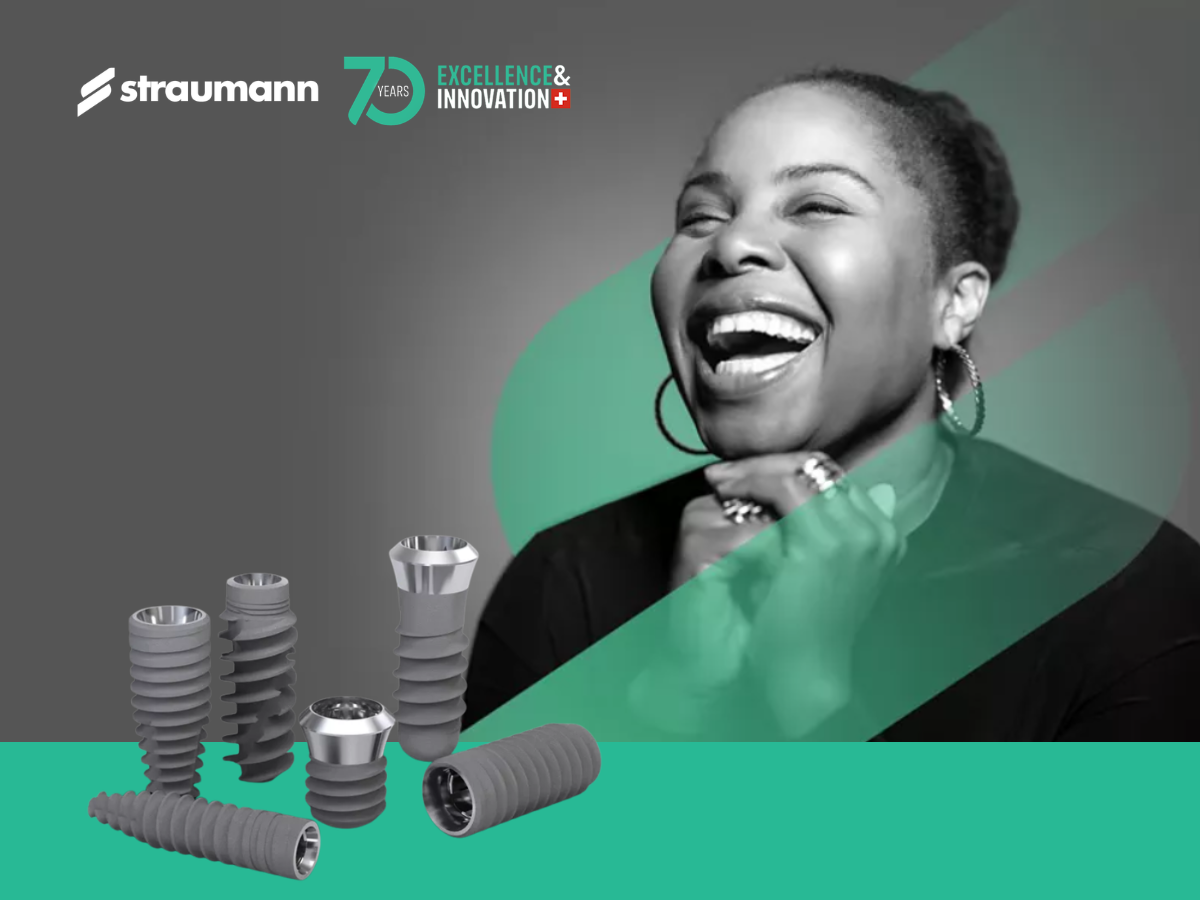
Straumann
Straumann is one of the world's most widely used dental implant brands. Its ecosystem includes implant solutions, restorative components and clinical education programmes that support predictable treatment planning.
Neodent
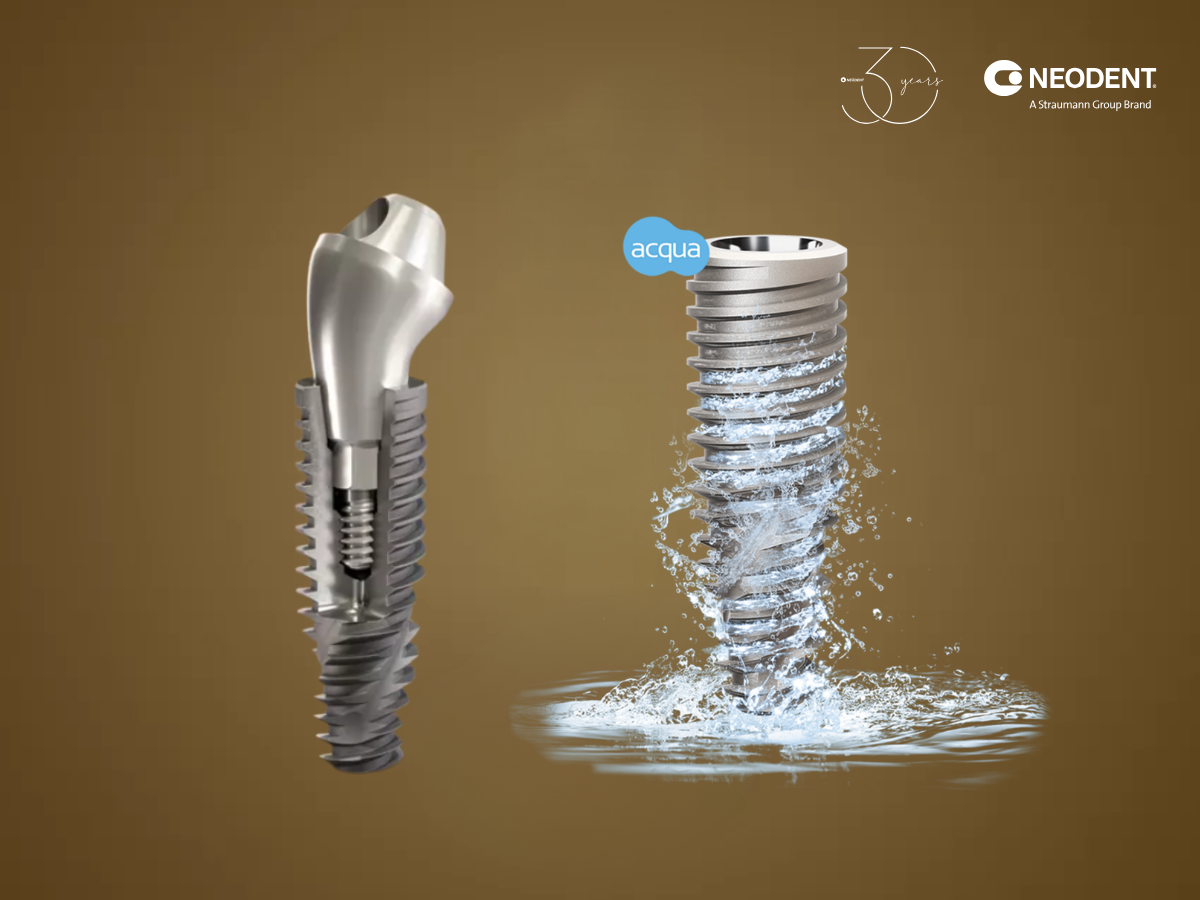
As part of Straumann Group, Neodent offers implant solutions developed through the group's extensive clinical expertise and research background. The system is designed to support a wide range of treatment indications while providing flexible restorative options.
The most suitable implant system should always be selected based on the patient's individual clinical needs and professional recommendations.
Are Dental Implants Cost-Effective in the Long Term?
While dental implants may require a higher initial investment than some alternative treatment options, they can provide significant long-term value.
Dental implants function as artificial tooth roots placed within the jawbone, supporting restorations without relying on adjacent teeth.
They also help maintain chewing function and support the preservation of jawbone structure, contributing to long-term oral health and quality of life.
Rather than focusing solely on the initial expense, patients should consider implants as a long-term investment in oral function, confidence and overall well-being.